Most of it is not a lack of love.
It is less about teaching people how to communicate better and more about changing the internal posture they are communicating from.
My theory of relationship coaching rests on one premise. Most relationship problems, the ones between two people and the ones inside a single person, are not caused by a lack of love. They are caused by what people do when love feels threatened.
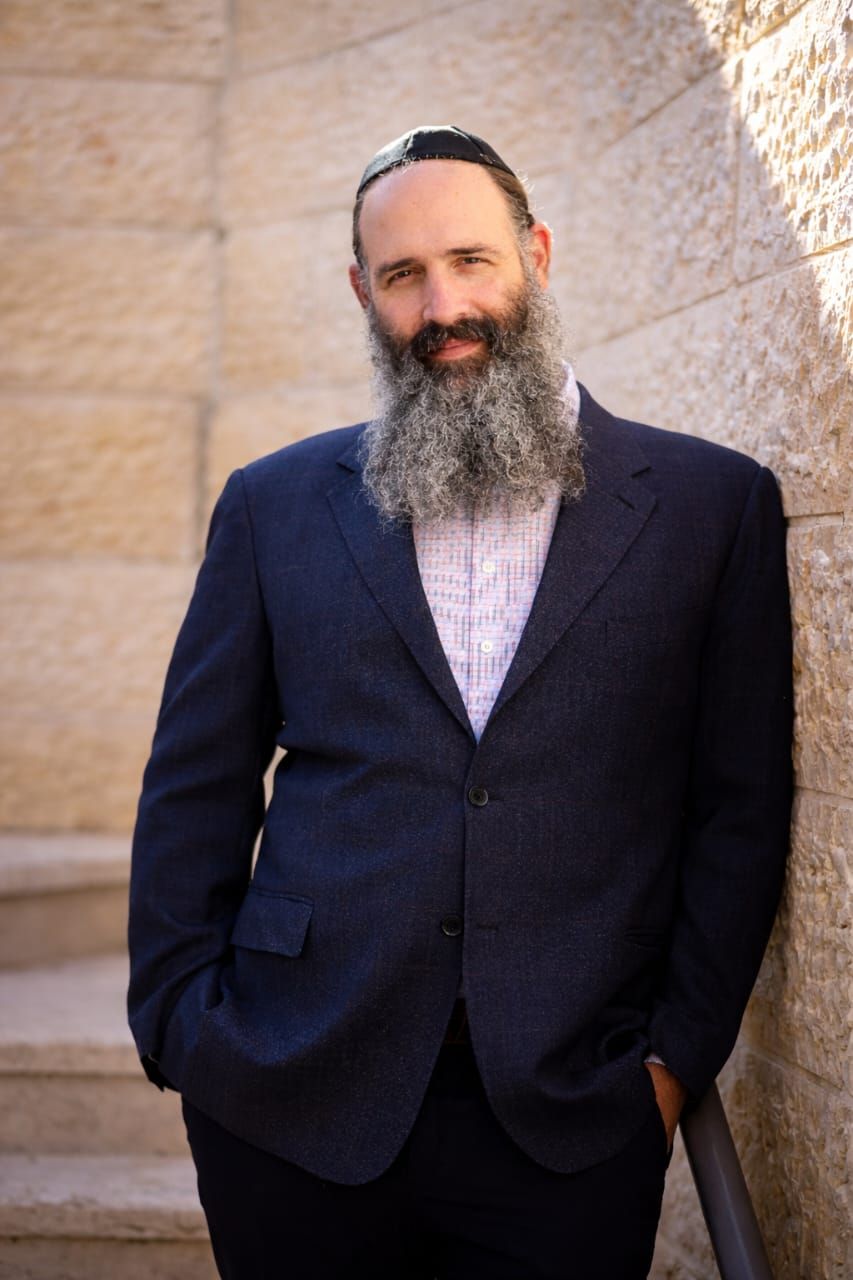
Rabbi Dr. Noam Weinberg
What happens when love feels threatened
Anxiety rises, old wounds get touched, and people begin trying to regulate themselves through somebody else. They:
- pursue
- withdraw
- control
- defend
- criticize
- over-explain
- demand reassurance
- shut down
Or they try to force the other person to change, so that they themselves can finally feel okay.
Almost everybody does some version of this. It is what people reach for when they are trying to get steady again.
My goal is not primarily to work out who is right.
It is to help people become emotionally adult enough to notice what is happening inside of them, regulate themselves without making everyone else responsible for that regulation, and then choose how they want to show up.
Reactivity
Responsibility
Blame
Ownership
Control
Influence
Emotional fusion
Differentiation
Deep connection and a strong self
At the center of the theory is a belief that healthy relationships need two things people often take to be opposites: deep connection and a strong self.
I should be able to
- love you without disappearing into you,
- hear that you are disappointed in me without collapsing or counterattacking,
- tell you the truth without punishing you with it,
- and allow you to have feelings that I do not immediately have to fix.
That is what creates real emotional safety.
What safety means
Safety does not mean
- that nobody gets upset
- that conflict disappears
- that everyone gets what they want
Safety means
that honesty does not automatically lead to punishment, withdrawal, humiliation, defensiveness, or abandonment.
When people feel safe enough to stay present, curiosity replaces assumption, vulnerability becomes possible, and communication stops being a battle over whose reality will win.
What the work is for
The practical work is about helping people change the dance, not simply win the argument. My clients learn to recognize their patterns, understand the attachment injuries and fears underneath them, regulate before reacting, communicate clearly without accusation, set boundaries without threats, listen without immediately defending themselves, and stay connected while still remaining differentiated.
The goal is not a relationship without tension. It is a relationship populated by stronger people.
People who can feel deeply without being ruled by every feeling, love intensely without controlling, disagree without disconnecting, and repair after hurting one another.
What this looks like applied.
Ten trainings, each one moving somebody off the question they came in with. This is the shape of the work, whether you are doing it on your own relationship or learning to do it for other people.
- 01
Dating With Clarity
“Am I attracted enough?”
“Do I actually enjoy being close to this person?”
- 02
Getting Ready for Relationships
“Will this relationship make me happy?”
“Do I have the emotional skills to build something healthy with another person?”
- 03
The Formative Years
“Why isn't my partner doing this the way I expected?”
“How do we build a relationship that works for both of us?”
- 04
Communication That Actually Works
“We need to communicate better.”
“How do we talk so that defensiveness stops being necessary?”
- 05
Fighting Better
“How do we stop fighting?”
“How do we fight in a way that does less damage and reveals more truth?”
- 06
Parenting Adolescents
“Why is my teenager doing this to me?”
“What is developmental here, and how do I move from control to influence?”
- 07
When Your Teen Pulls Away
“How do I get my child back in line?”
“How do I stay an effective parent when I cannot control my child's inner world?”
- 08
When the Relationship Becomes the Battlefield
“Which partner is causing the problem?”
“What keeps happening between them, and what is each one feeding it?”
- 09
After the Injury
“How do we get past this?”
“What has to happen for safety and trust to have any chance of being rebuilt?”
- 10
The Integrative Relationship Coach
“Now I understand why I do this.”
“Now what am I going to do differently?”